This article applies the work of Dr. Raquel Martin, PhD to developing a sustainable piano practice routine.
It's the beginning of the school year and almost all of us — even those of us who don't attend school — have had a schedule shake-up. For pianists, that often means practice routines shift too. Old habits stop fitting, and it's time to build something new.
There are many benefits to a predictable piano practice routine, but one of my favorites is how much it reduces decision fatigue. Every day asks us to make hundreds of choices, both large and small. Not having to decide when to practice piano frees up energy for actually learning.
Consistency becomes a gift instead of another demand.
Recently, I watched a short video from Dr. Raquel Martin, PhD, that put words to something I've been talking about with students for years: the difference between capacity and discipline. It's an important distinction, especially when you're building or rebuilding a practice routine.
What I mean by "capacity"
Capacity is how much a student has to give on a given day. It's shaped by things like sleep, stress, illness, school demands, emotional load, and basic needs like food and rest.
When we ask for more than a student has to give, practice quickly turns into a battle. Progress slows, frustration rises, and learning becomes harder than it needs to be. Respecting capacity doesn't mean lowering expectations. It means working with the nervous system instead of against it, which is what allows real progress to happen over time.
Dr. Martin's Video
Dr. Martin's video is under three minutes, and I recommend it to teens and adults in particular. Some younger students may benefit as well.
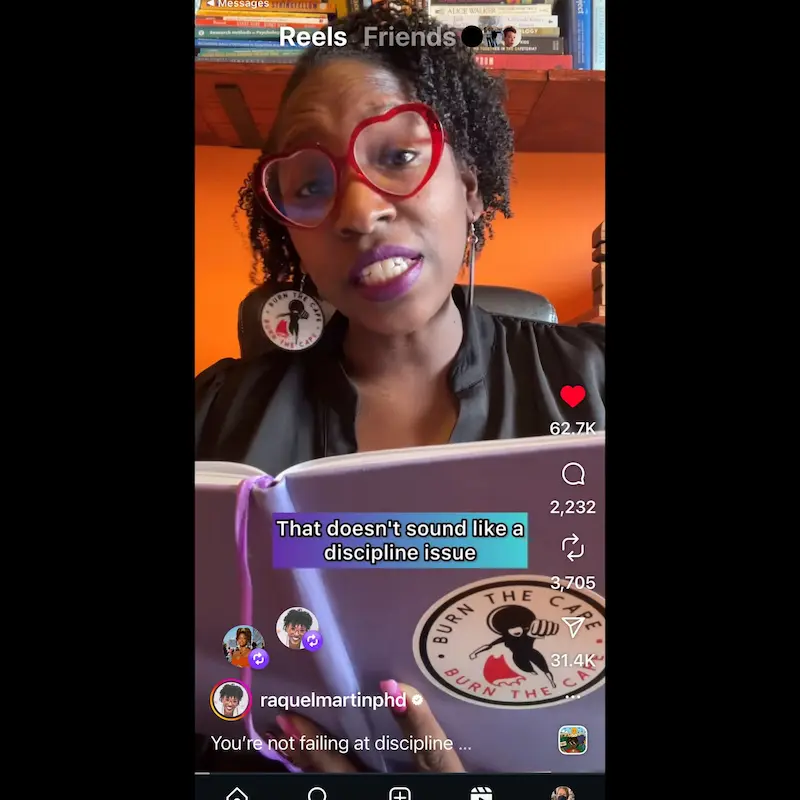
Don't have 2:54? Here are some key takeaways:
"Discipline is about structure, and your ability to stay consistent with a choice. Capacity is about whether your nervous system and energy can actually handle what you're asking of yourself.
…Discipline is a muscle. Capacity is whether you've eaten, slept, grieved, rested or recovered enough to lift the weight.
…Capacity means checking in: Do I have the energy, focus and support to do this today without abandoning myself?
…Capacity gets addressed with care: more rest, less pressure, nervous system support, rebuilding from burnout. Discipline gets addressed with support, clear goals, accountability, reduced decision fatigue.
Capacity = fuel. Discipline = structure. You need both, but not in the same way."
Why this matters for piano practice
Learning piano takes more energy than people realize. Concentration, coordination, listening, emotional regulation, and problem-solving are all happening at once.
In online lessons, I frequently work with kids who've been home sick from school but attend their piano lesson, and they typically struggle with learning in that state. I see the same thing with students who are stressed, grieving, or simply hungry. Even when the motivation is there, learning is harder when capacity is low.
There's also a cultural piece here. In the U.S., we live in a culture that encourages us to ignore our capacity and focus on productivity. Listening to your limits can feel countercultural, even rebellious. It's also one of the most effective ways to build a sustainable relationship with learning.
Supporting capacity alongside discipline
As you build or adjust your practice routine, consider adding a habit that increases your capacity. This is sometimes called habit stacking. You could try:
- making a cup of tea before practice that's ready for you when you finish playing
- eating a snack just before you sit down to play
- taking a short walk before or after practice
- allowing time to rest before returning to the piano
Small acts of care can dramatically change how practice feels. More energy often means more joy, focus, and consistency.
Want to learn more?
If you're curious about how capacity connects to emotional safety and learning, you might enjoy reading Why We Chat: Conversation, Safety, and Learning Piano. And if you'd like to see how these ideas show up in actual lessons, you can learn more about how online piano lessons work.
However you found your way here, I'm glad you're thinking about learning in ways that are sustainable, humane, and real.